About Aura Stitch

Cloth with a memory

Every thread carries a story — of a place, a loom and the hands that worked it. We make ours slowly, with people we know by name.

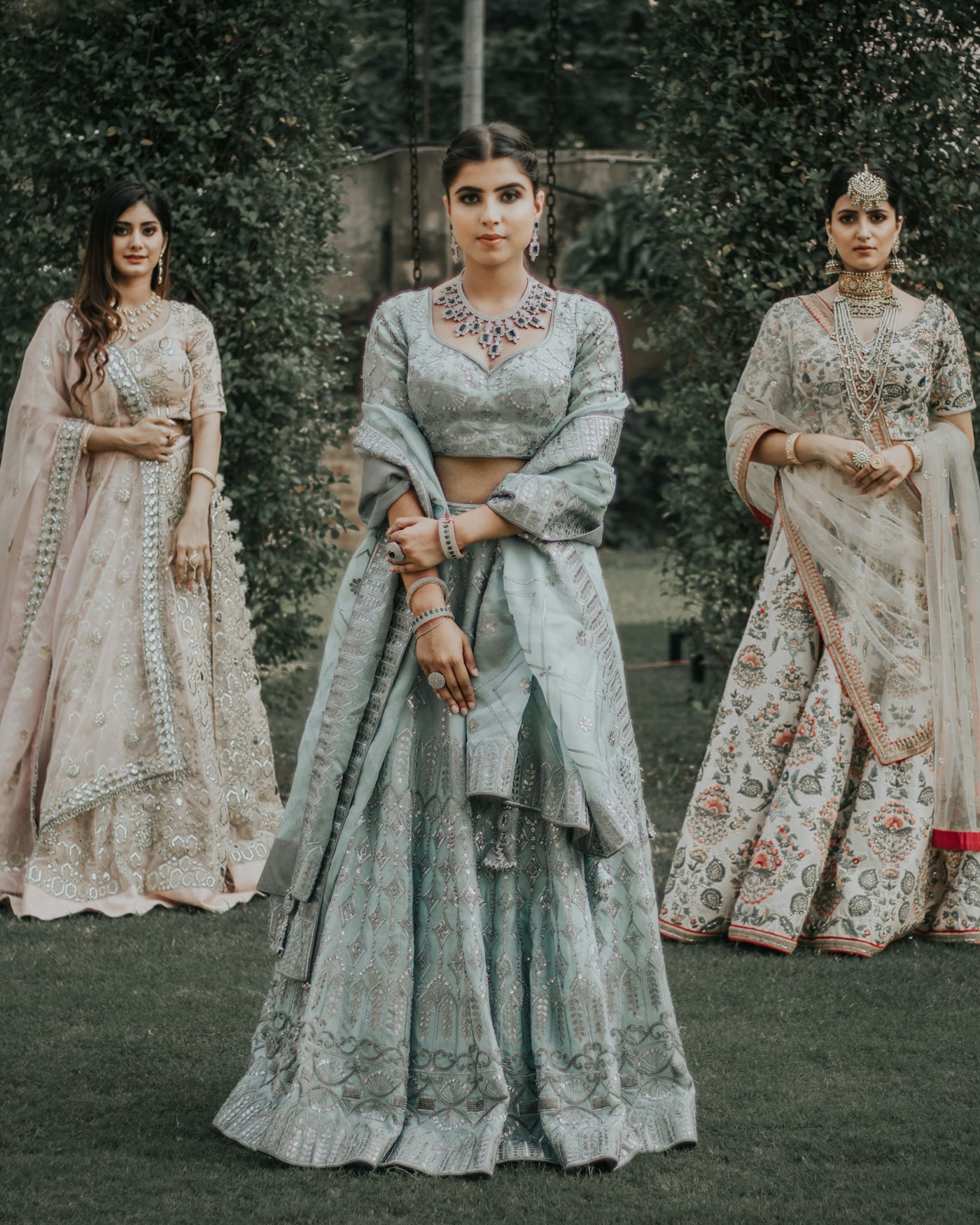
Three women wearing handwoven pieces, photographed on the steps of a heritage building

We would rather make fewer things, and make them properly.

Most of what India weaves by hand never reaches the people who would love it most. It is sold through layers of middlemen, marked up, and flattened into a catalogue of thousands of near-identical pieces.

We started Aura Stitch to do the opposite: a small, considered wardrobe of sarees and suit sets, each one traceable to the loom it came from, priced so the weaver is paid fairly and you are not paying for the chain in between.

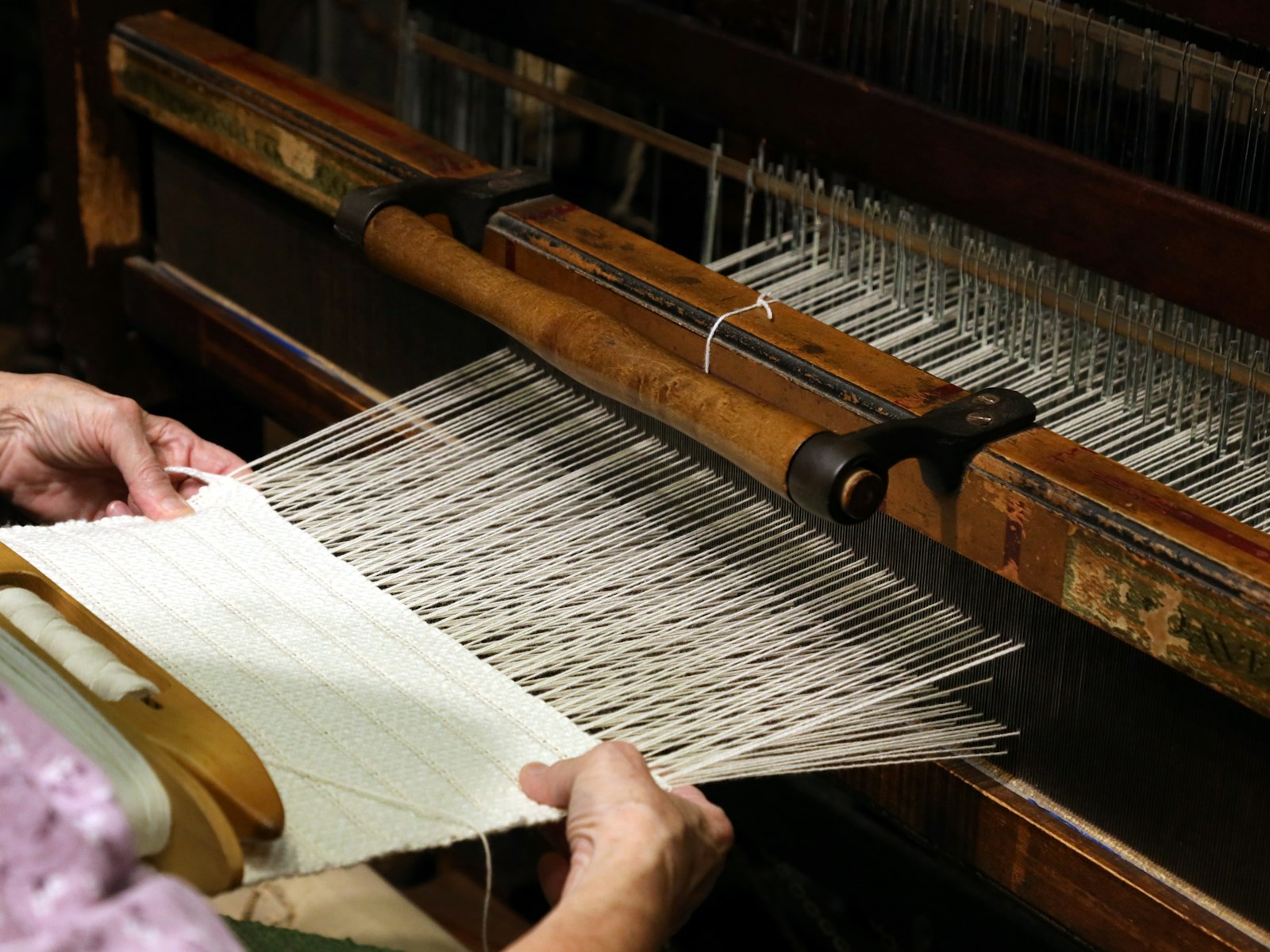
A weaver's hands guiding cloth off a handloom
Our story

It began with a single loom

The first Aura Stitch saree was woven in Phulia, West Bengal, by a family that had been weaving for four generations and was close to stopping. The work was extraordinary; the market for it had simply moved on.

We bought that run in full and sold it to friends. Then we went back for another. Today we work with four clusters — Varanasi, Chanderi, Lucknow and Phulia — and every piece we sell can still be traced to the hands that made it.

See the collections
How a piece is made

From the loom to your door

  1. 01

    Sourced

    We choose yarn with the weaver — mulberry silk from Karnataka, cotton from Bengal and Andhra — and pay for it upfront.

  2. 02

    Woven

    Each length is woven on a pit or frame loom. A plain cotton saree takes two days; a Kadhua Banarasi, up to three weeks.

  3. 03

    Finished

    Borders are checked, tassels knotted and blouse pieces cut by hand in our studio before anything is photographed.

  4. 04

    Delivered

    Folded in muslin and sent in plastic-free packaging, with a note on who made it and how to care for it.

The crafts

Where our cloth comes from

Find the piece you will keep